

Let us dedicate ourselves
Let us dedicate ourselves to build a world
Which is free from violence and exploitation of all kinds
Let us dedicate ourselves to build a world
Which is free from violence and exploitation of all kinds

A Story in the Life of P. R. Sarkar Once upon a time Prabhat had a childhood friend who was quite a bit younger than he was. Manoranjan often saw Prabhat sitting for hours, meditating with his eyes closed in the outdoor Shiva Temple. This impressed Manoranjan very much. Manoranjan was walking home from school one day when a group of 5 bulls started chasing… Read More »Baba and the 5 Charging Bulls

(The following is a Brief Study of an Asana. A more complete version can be accessed in the Ananda Marga Asana Guide which is currently available for no charge. ) Primary Objective of the Ásana This ásana helps the yoga practitioner to maintain good all round health and in some instances can mitigate mild paralysis. It can strengthen the nervous system and joints. Repetitions: 4… Read More »Granthimuktásana – Knot Loosening Posture

Introducing children to kindness, empathy, and responsibility through helping activities is one of the best ways to nurture character and neohumanist awareness. Here’s a breakdown of fun and age-appropriate helping activities. 🌱 Helping Nature Ages 3–5 (Preschool–Kindergarten): 🐾 Helping Animals Ages 3–5: Ages 6–10: 🤝 Helping Humans Ages 3–5: Ages 6–10: (Some of these can be done by preschoolers & their parents) 🌟 Tips for Parents… Read More »Neohumanist Activities for Children ages 3-10

Humanity is one & indivisible. No mother tongue should ever be suppressed. The suppression of people’s mother tongue is a sin…Intelligent people will never try to suppress any language. ..The more human beings move in unison, hand is hand, shoulder to shoulder, the more the benefit to the whole human race. Let no one try to suppress anyone in any sphere of life, whether in… Read More »Anandamurti Speaks About Neohumanism

Primary Objective of the Ásana This ásana addresses issues related to Mánipura. Svádhisthána, and Múládhára chakras such as kidney trouble and stomach weakness through gentle compression. The Jánushirásana practice helps to balance over-indulgent tendencies, obsessive behaviors, sexual thoughts, and nurtures hope. Repetitions (standard): 4 rounds Length of hold (ideal): up to 8 seconds Breath: exhalation kumbhaka Steps of practice Further details & rationale 1. –… Read More »Jánushirásana (Head to Knee Posture)
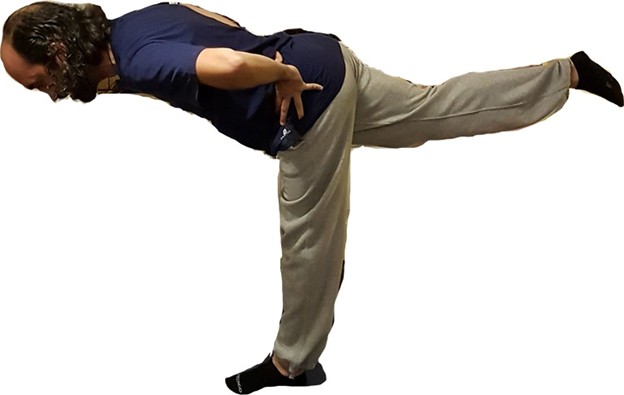
Primary Objective of the Ásana This balance posture improves the ability to balance, promotes good health and strength throughout the legs, especially the nerves. Number of repetitions (standard): 4 rounds Length of holding the position (ideal): 30 seconds Breath: Continuous. No kumbhaka. Steps of practice Further details & rationale 1. – Stand naturally with your feet hip-width apart. You should feel well-grounded through the four… Read More »Tuládańdásana (Balance Posture)
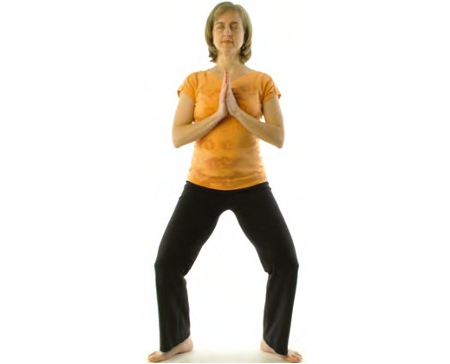
Primary Objective of the Ásana This ásana strengthens the legs and joints. It inspires spiritual ideation and helps with meditation. Bhávásana increases worldly understanding. Repetitions (standard): 4 Length of pose hold (ideal): 8 seconds in each position Breath: continuous Steps of practice Rationale & further details 1.- Bend your legs, keeping the feet slightly apart and pointing in opposite directions of about 90 degrees, keeping… Read More »Bhávásana (Ideation Posture)
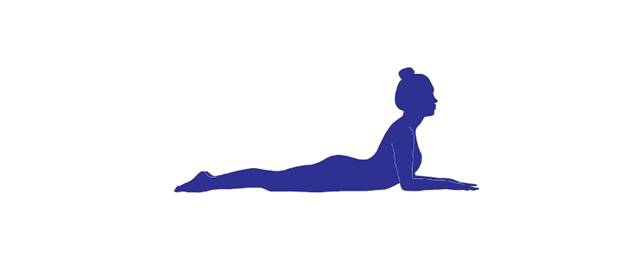
Primary Objective of the Ásana With Yoga Mudrá and Diirgha Pranám, Bhújaungásana is recommended for women to be practiced everyday to balance the reproductive system and overall women’s health. Bhújaungásana nurtures the resiliency of the spine and abdomen. Massages organs in the abdomen. It stimulates the immune system of the human body by producing or increasing the White Blood Cells. Number of Repetitions (standard): 8… Read More »Bhújaungásana (Cobra Posture)
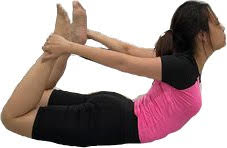
also known as Naokásana (Boat Posture) Primary Objective of the Ásana In this pose the body assumes the shape of a bow or boat, it strengthens the back and abdominal muscles, increasing flexibility of the spine and hip joints. It helps to balance weaknesses and issues involving organs in the thoracic and abdominal areas, those organs and glands surrounding the Mánipúra Chakra as well as… Read More »Dhanurásana (Bow Posture)
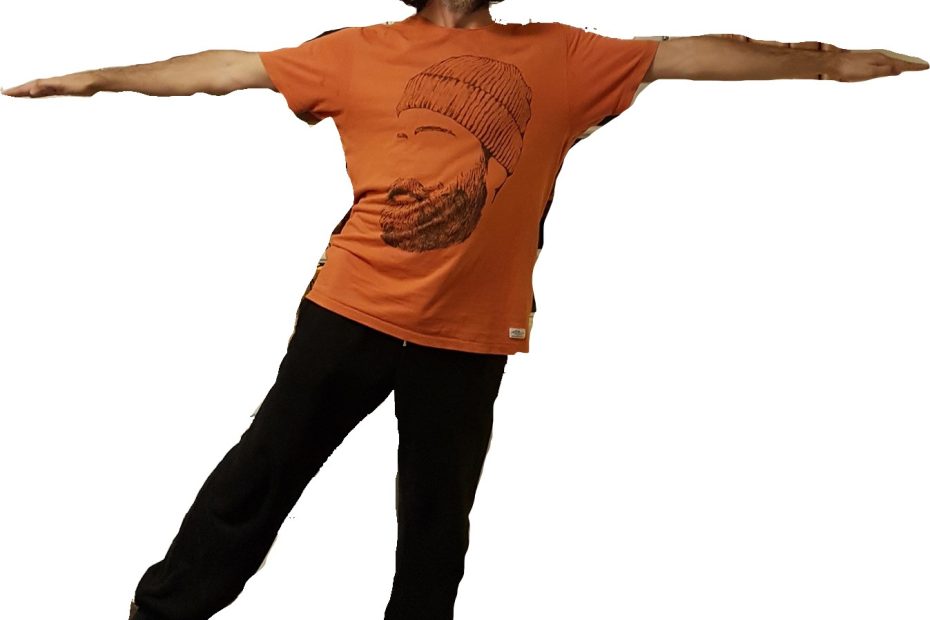
Primary Objective of the Ásana The main goal is to improve balance, both physical and mental, while strengthening the core muscles, as well as hip and shoulder muscles. Garudásana helps to align shoulders and chest. It also opens and balances the heart center. May help with weight management. Repetitions (standard): 4 rounds (or 4 times on each side) Length of Posture Holding (ideal): 30 seconds… Read More »Garudásana (Eagle Posture)
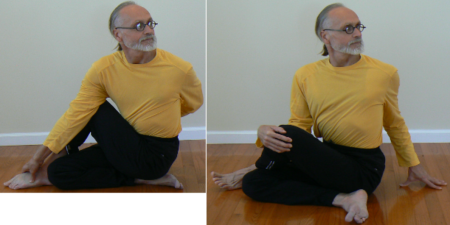
Primary Objective of Ásana It’s one of the most beneficial ásanas of the Ánanda Márga system. Matsyendrásana is excellent for the spine, correcting shoulder, and chest alignment. It offers a full massage to all organs and glands in the abdomen, especially the thymus gland. Repetitions (standard): 4 rounds. Length of hold (ideal): up to 30 seconds Breath: continuous breathing. no kumbhaka. Steps of practice Further… Read More »Matsyendrásana (Matsyendra’s Posture)
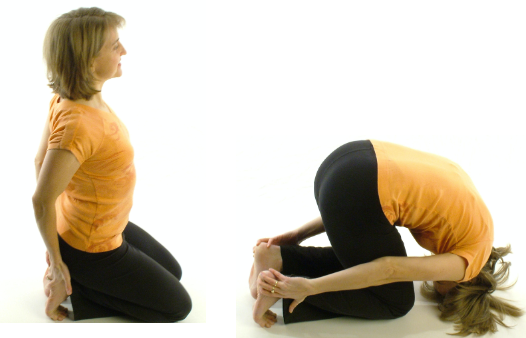
Primary Objective of the Ásana The hare posture relieves tension in the spine. Shasháungásana may improve memory and meditation. It affects the entire body, including all glands and plexi. Repetitions (standard): 8 Length of hold (ideal): 8 seconds Breath: exhale kumbhaka Steps of practice Further details & rationale 1.- The knees can be together or hip-width apart.– Keep the toes tucked under, facing forward.– Open… Read More »Shasháungásana (Hare Posture)
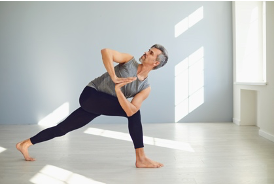
Jathara Parivartanasana – Supine Spinal Twist Sometimes referred to as Supta Matsyendrasana This is a gentle and easy twist. It is a cooling pose down which is facilitated most frequently near the end of class. Utthita Aswa Sanchalanasana Namaskar – Runners Lunge Twist 1. Standing at one end of your mat, from Tadasana, step your left foot toward the back of your mat… Read More »Twist variations
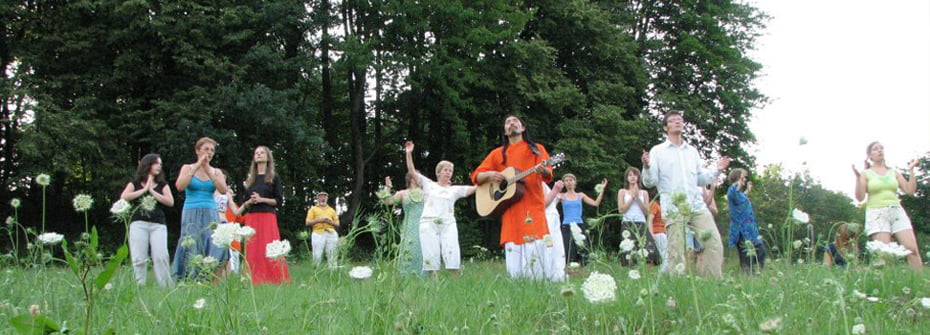
Along with the obstacles, there will also be certain forces that will assist you. Whatever worldly difficulties might obstruct your path, the best positive or auxiliary force is kiirtana. Kiirtana helps a devotee to accelerate the speed towards the hub of the Universe.
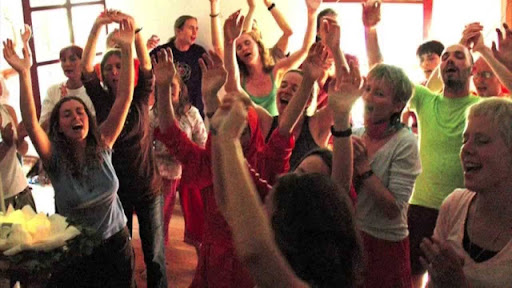
One should be as humble as the grass and as tolerant as the trees, one should give respect to those whom no one respects, and always do kiirtan to the Lord. – Anandamurti Definition & Origin The mind cannot remain vacant. Whenever there is no important job to do, do not waste your time in idle thinking, because idle thinking means mental deterioration, mental degradation,… Read More »Kiirtan Quiz: What Do Ya Know?
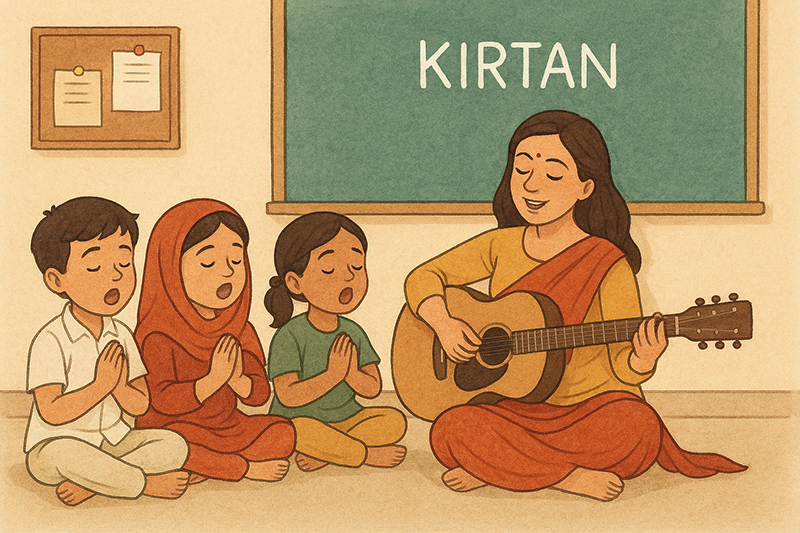
By MahaJyoti Glassman What is Kiirtan The practice of kiirtan is simple repetitive chanting for 2-5 minutes or more. This method of rhythmic singing is called kiirtan. Singing kiirtan supports kids in preparing their minds and bodies for meditation by engaging the sensory organs (eyes, ears, touch) and motor organs (arms and legs) towards the Goal. The power of mantra, a collection of sacred sounds,… Read More »How to Spice up Kiirtan with Kids
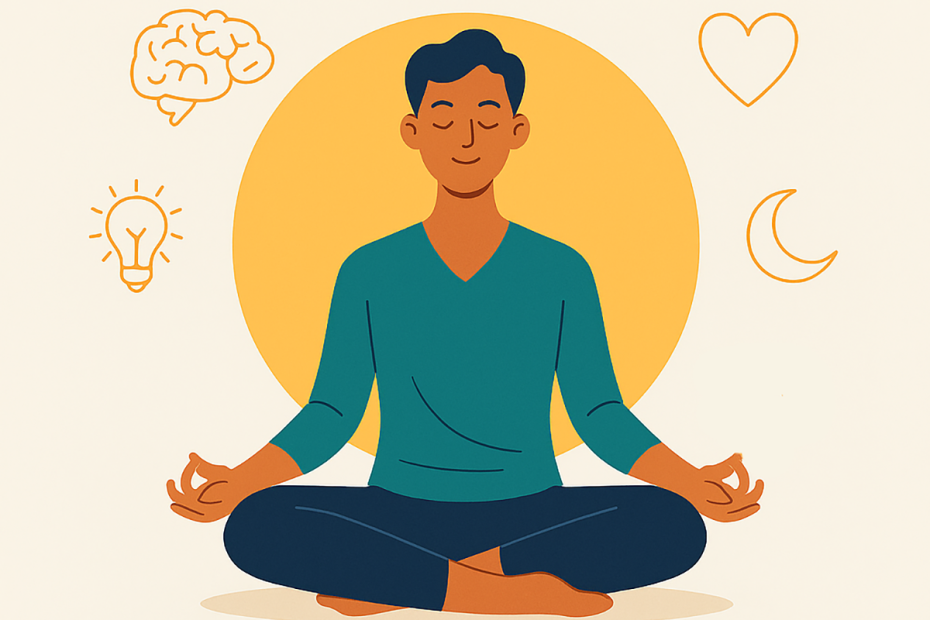
In today’s fast-paced world, the importance of mental and physical well-being cannot be overstated. As we navigate our daily lives, many are searching for ways to enhance their overall health and happiness. One practice that has gained significant attention is meditation.
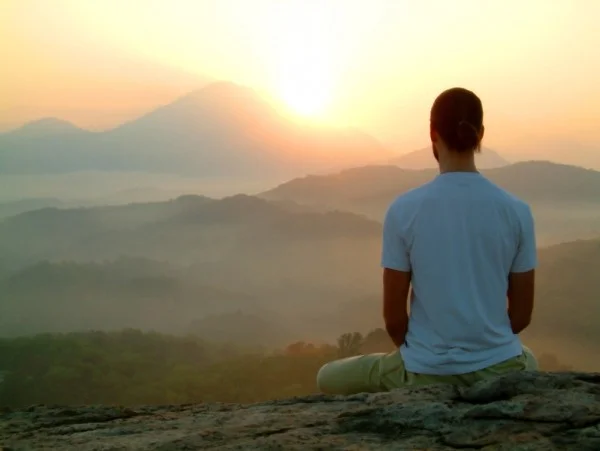
“Oh tranquil spiritual aspirant! Spiritual practice (sadhana) is your great bow. Set the arrow of your mind, sharpened with meditation, on this bow. Now, inclining your mind toward Him, pluck and twang the string of the bow and pierce your target – that indestructible Supreme Soul.” – Anandamurti (Subhasita Samgrapha II, 34) If you did sadhana for 2 hours and concentrated on your mantra for… Read More »Remember When Meditating
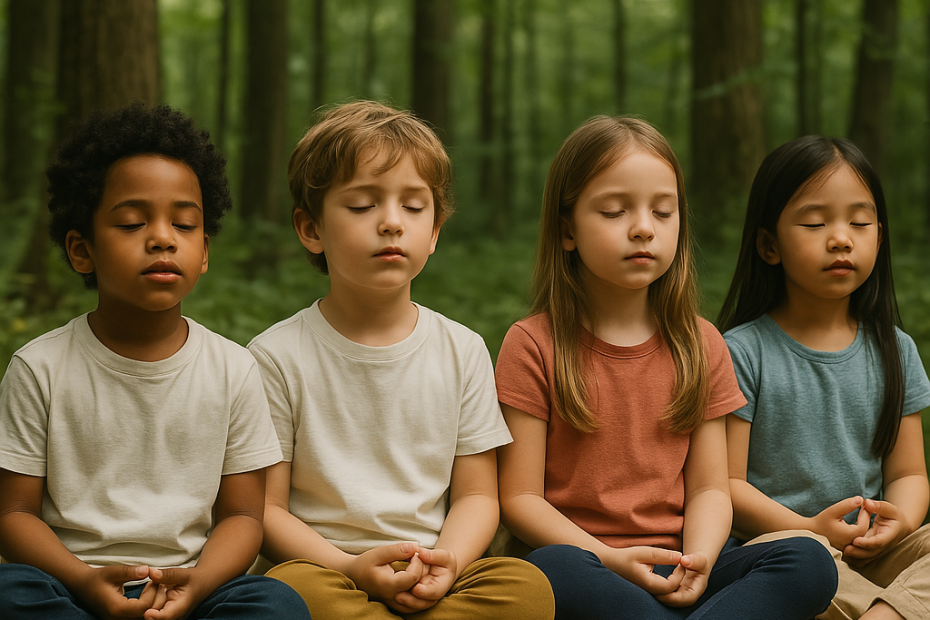
Meditation is a way of keeping our inner balance when the outer balance has been lost. Teaching these practices can be the greatest gift you may give a child. While it strengthens emotional intelligence and intuition, it also reaches into the higher layers of mind (subconscious, unconscious, etc.) of mind. ** For the 3-10 year old child to engage in meditation, the practice needs to… Read More »What Can Kids’ Meditation Look Like: Some Possibilities