
Skip to content

Newsletter

Neohumanism for Adults and Children

Neohumanism is a philosophy of universal kinship—an invitation to recognize our deep connection with all beings and all things. It teaches that compassion begins not only with people and animals, but with the earth itself: the trees, rivers, mountains, and even so-called “non-living” things like air, sunlight, and soil. For adults and children alike, Neohumanism encourages us to live simply, love generously, and serve with… Read More »Neohumanism for Adults and Children

Universal Kinship

Kinship with all creatures of the earth, sky, and water was for us a real and active principle… The animals had rights – the right of man’s protection, the right to live, the right to multiply, the right to freedom, and the right to human indebtedness.~ Chief Luther Standing Bear. If everything is connected to everything else, then everyone is ultimately responsible for everything. … We… Read More »Universal Kinship

Nasruddin & the Garden

Once upon a time Nasruddin was very excited about growing a garden in his front yard. It included vegetables and flowers. But when the plants started coming up, so did an enormous crop of bright yellow flowers called dandelions among them.

Baba and the 5 Charging Bulls

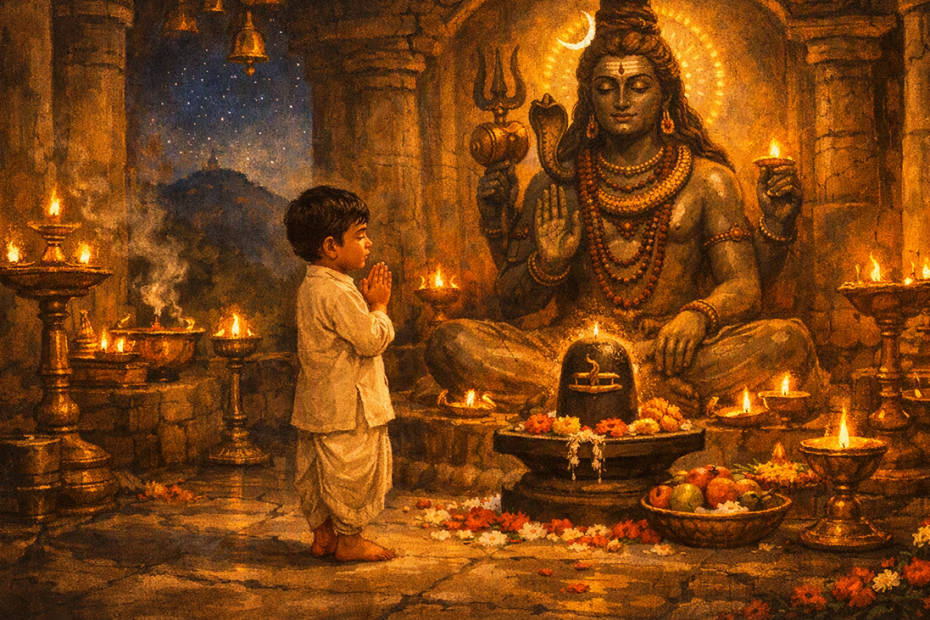
A Story in the Life of P. R. Sarkar Once upon a time Prabhat had a childhood friend who was quite a bit younger than he was. Manoranjan often saw Prabhat sitting for hours, meditating with his eyes closed in the outdoor Shiva Temple.  This impressed Manoranjan very much. Manoranjan was walking home from school one day when a group of 5 bulls started chasing… Read More »Baba and the 5 Charging Bulls

Granthimuktásana – Knot Loosening Posture

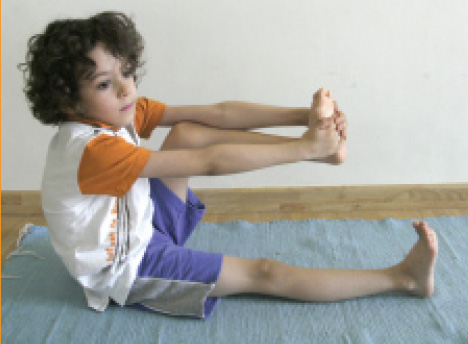
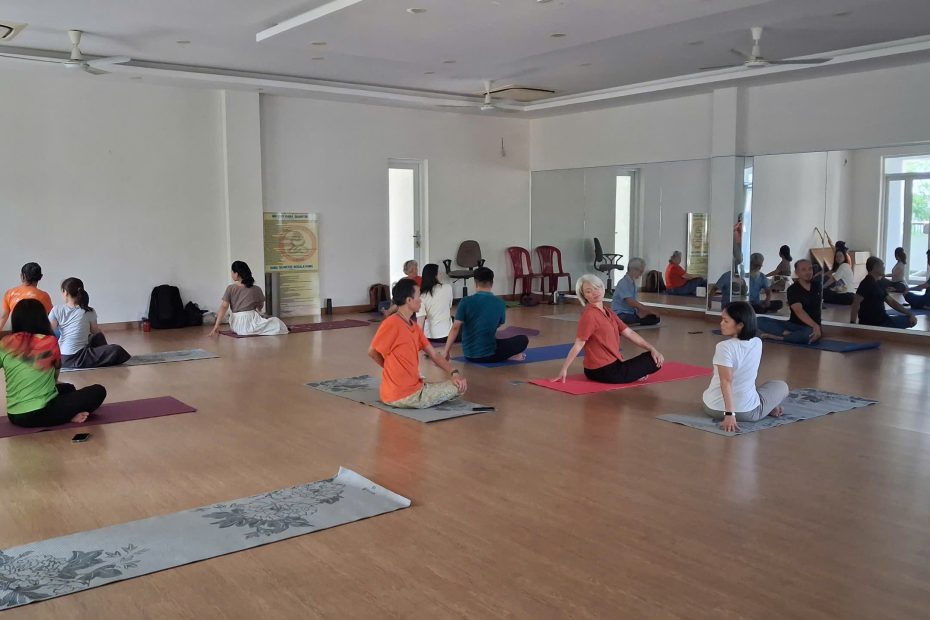
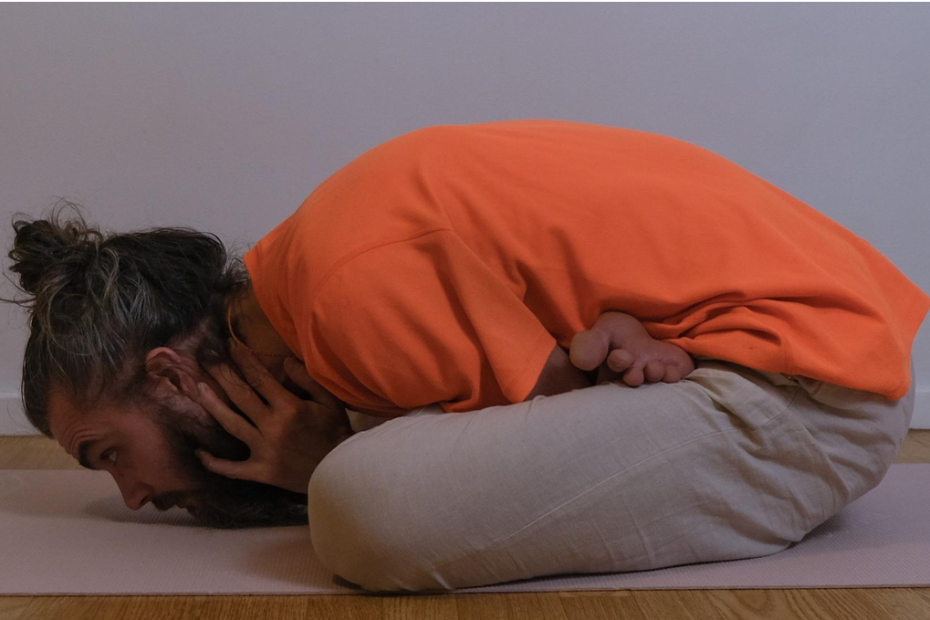
(The following is a Brief Study of an Asana. A more complete version can be accessed in the Ananda Marga Asana Guide which is currently available for no charge. ) Primary Objective of the Ásana This ásana helps the yoga practitioner to maintain good all round health and in some instances can mitigate mild paralysis. It can strengthen the nervous system and joints. Repetitions: 4… Read More »Granthimuktásana – Knot Loosening Posture

Neohumanist Activities for Children ages 3-10

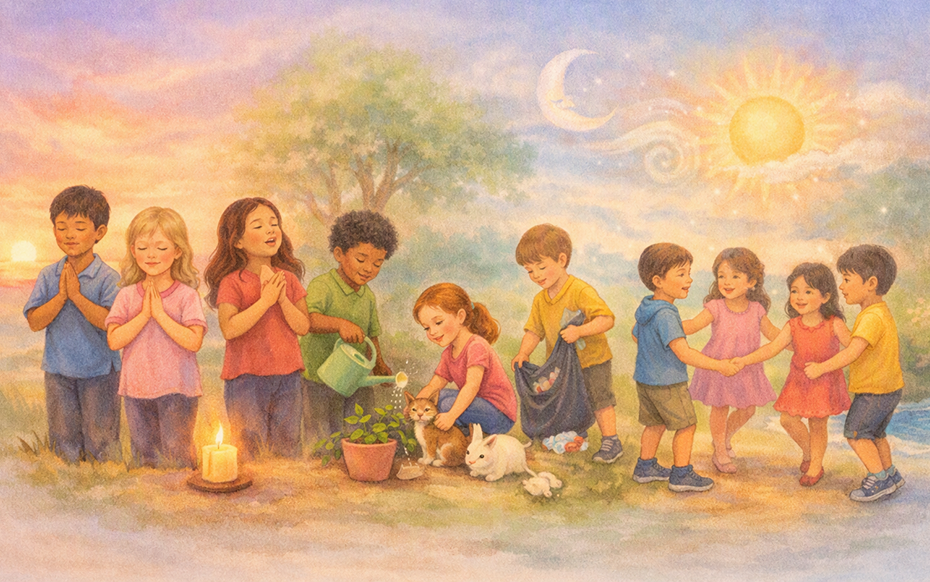
Introducing children to kindness, empathy, and responsibility through helping activities is one of the best ways to nurture character and neohumanist awareness. Here’s a breakdown of fun and age-appropriate helping activities. 🌱 Helping Nature Ages 3–5 (Preschool–Kindergarten): 🐾 Helping Animals Ages 3–5: Ages 6–10: 🤝 Helping Humans Ages 3–5: Ages 6–10: (Some of these can be done by preschoolers & their parents) 🌟 Tips for Parents… Read More »Neohumanist Activities for Children ages 3-10

Anandamurti Speaks About Neohumanism

 Humanity is one & indivisible. No mother tongue should ever be suppressed. The suppression of people’s mother tongue is a sin…Intelligent people will never try to suppress any language. ..The more human beings move in unison, hand is hand, shoulder to shoulder, the more the benefit to the whole human race.  Let no one try to suppress anyone in any sphere of life, whether in… Read More »Anandamurti Speaks About Neohumanism

Kiirtan Quiz:  What Do Ya Know?

One should be as humble as the grass and as tolerant as the trees, one should give respect to those whom no one respects, and always do kiirtan to the Lord.  – Anandamurti Definition & Origin The mind cannot remain vacant.  Whenever there is no important job to do, do not waste your time in idle thinking, because idle thinking means mental deterioration, mental degradation,… Read More »Kiirtan Quiz:  What Do Ya Know?

How to  Spice up Kiirtan with Kids

By MahaJyoti Glassman What is Kiirtan The practice of kiirtan is simple repetitive chanting for 2-5 minutes or more. This method of rhythmic singing is called kiirtan. Singing kiirtan supports kids in preparing their minds and bodies for meditation by engaging the sensory organs (eyes, ears, touch) and motor organs (arms and legs) towards the Goal. The power of mantra, a collection of sacred sounds,… Read More »How to  Spice up Kiirtan with Kids

Remember When Meditating

“Oh tranquil spiritual aspirant! Spiritual practice (sadhana) is your great bow. Set the arrow of your mind, sharpened with meditation, on this bow. Now, inclining your mind toward Him, pluck and twang the string of the bow and pierce your target – that indestructible Supreme Soul.” – Anandamurti (Subhasita Samgrapha II, 34) If you did sadhana for 2 hours and concentrated on your mantra for… Read More »Remember When Meditating

What Can Kids’ Meditation Look Like: Some Possibilities

Meditation is a way of keeping our inner balance when the outer balance has been lost. Teaching these practices can be the greatest gift you may give a child. While it strengthens emotional intelligence and intuition, it also reaches into the higher layers of mind (subconscious, unconscious, etc.) of mind. ** For the 3-10 year old child to engage in meditation, the practice needs to… Read More »What Can Kids’ Meditation Look Like: Some Possibilities

Bhastrikásana (Bellows Posture)

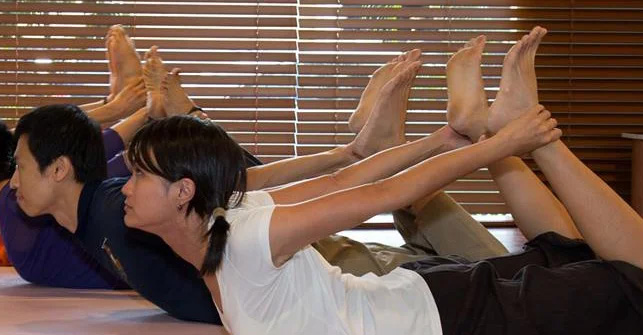
Primary Objective of the Ásana This asana supports digestive health, especially elimination.  Repetitions (standard): 8 Length of hold (ideal): 8 seconds Breath: kumbhaka Steps of practice, further details & rationale Preparatory Steps Considerations Safety essentials  Variations Core Strengthening Variations Alternating Legs Variation Arms Overhead Variation  Benefits  Visualizations & Ideations Bhastrikásana is a very nice pose for even the beginning of an asana class because of… Read More »Bhastrikásana (Bellows Posture)

Siddhásana (Perfect Posture)

Primary Objective of the Ásana Prepares the body for meditation. Along with Padmásana/Lotus, Baddha Padmásana/Bound lotus, and Viirásana/Brave, it is one of the 4 Dhyanásanas that aid in concentration and meditation. This is one of the ideal poses for meditation for some people. Repetitions: none  Length of hold (ideal): sustain as long as possible.Breath: continuous  Steps of Practice 1.Begin by sitting on the floor with… Read More »Siddhásana (Perfect Posture)

Padmásana (Lotus Posture)

Primary Objective of the Ásana Prepares the body for meditation. Foundation for deep meditation. Anatomical objective: It loosens the external rotators of the hip joint. Padmásana is one of the 4 Dhyanásanas that aid in concentration and meditation along with Siddhásana/Siddha pose, Baddha Padmásana/Lotus pose, and Viirásana/Brave, This is one of the ideal poses for meditation for some people. NOTE: This ásana is an intermediate/advanced… Read More »Padmásana (Lotus Posture)

Infiniti Yoga Teacher Training Instruction Manual

Ananda Marga Yoga Society Singapore The Infiniti Yoga Teacher Training Instruction Manual, published by the Ananda Marga Yoga Society Singapore, presents a groundbreaking and accessible approach to holistic well-being. Centered around a unique system of walking in an infinity or 8 shape pattern, this practice integrates rhythmic movement with modified yoga postures, breathing, and mindfulness techniques. Rooted in both modern physiological understanding and yogic wisdom, Infiniti… Read More »Infiniti Yoga Teacher Training Instruction Manual

Feature Ásanas

This issue of AMAYE Voices features two of the ideal ásanas Anandamurti recommended for meditation.  However, sometimes these can be difficult and often excruciating for the yoga meditation practitioner.  Other meditation ásanas include the following: Bhojanásana or Sukhasana This posture is frequently referred to as the tailor’s or eating pose.  It is a comfortable position, having the buttocks rest on a cushion or blanket can… Read More »Feature Ásanas