Skip to content

News

Jánushirásana (Head to Knee Posture)

Primary Objective of the Ásana This ásana addresses issues related to Mánipura. Svádhisthána, and Múládhára chakras such as kidney trouble and stomach weakness through gentle compression. The Jánushirásana practice helps to balance over-indulgent tendencies, obsessive behaviors, sexual thoughts, and nurtures hope. Repetitions (standard): 4 rounds Length of hold (ideal): up to 8 seconds Breath: exhalation kumbhaka Steps of practice Further details & rationale 1. –… Read More »Jánushirásana (Head to Knee Posture)
Tuládańdásana  (Balance Posture)

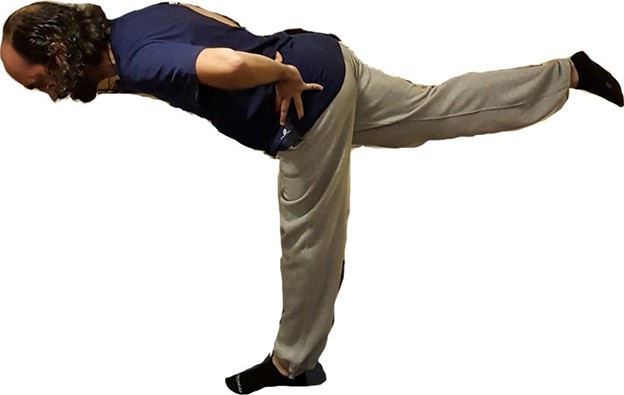
Primary Objective of the Ásana  This balance posture improves the ability to balance, promotes good health and strength throughout the legs, especially the nerves. Number of repetitions (standard): 4 rounds Length of holding the position (ideal): 30 seconds Breath: Continuous. No kumbhaka. Steps of practice Further details & rationale 1. – Stand naturally with your feet hip-width apart. You should feel well-grounded through the four… Read More »Tuládańdásana  (Balance Posture)

Bhávásana (Ideation Posture)

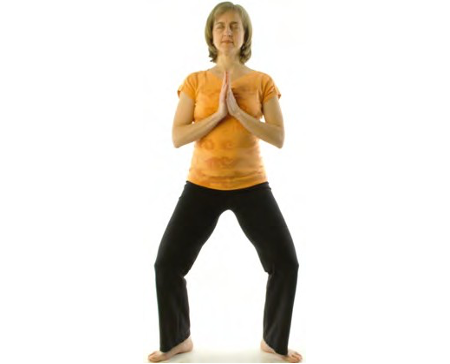
Primary Objective of the Ásana This ásana strengthens the legs and joints. It inspires spiritual ideation and helps with meditation. Bhávásana increases worldly understanding. Repetitions (standard): 4 Length of pose hold (ideal): 8 seconds in each position Breath: continuous Steps of practice Rationale & further details 1.- Bend your legs, keeping the feet slightly apart and pointing in opposite directions of about 90 degrees, keeping… Read More »Bhávásana (Ideation Posture)

Bhújaungásana (Cobra Posture)

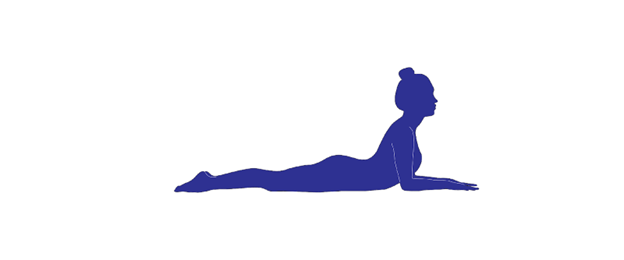
Primary Objective of the Ásana  With Yoga Mudrá and Diirgha Pranám, Bhújaungásana is recommended for women to be practiced everyday to balance the reproductive system and overall women’s health. Bhújaungásana nurtures the resiliency of the spine and abdomen. Massages organs in the abdomen. It stimulates the immune system of the human body by producing or increasing the White Blood Cells. Number of Repetitions (standard): 8… Read More »Bhújaungásana (Cobra Posture)

Dhanurásana (Bow Posture)

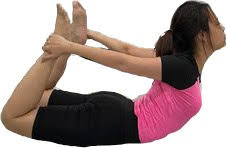
also known as Naokásana (Boat Posture) Primary Objective of the Ásana In this pose the body assumes the shape of a bow or boat, it strengthens the back and abdominal muscles, increasing flexibility of the spine and hip joints. It helps to balance weaknesses and issues involving organs in the thoracic and abdominal areas, those organs and glands surrounding the Mánipúra Chakra as well as… Read More »Dhanurásana (Bow Posture)

Garudásana (Eagle Posture)

Primary Objective of the Ásana The main goal is to improve balance, both physical and mental, while strengthening the core muscles, as well as hip and shoulder muscles. Garudásana helps to align shoulders and chest. It also opens and balances the heart center. May help with weight management.  Repetitions (standard): 4 rounds (or 4 times on each side)  Length of Posture Holding (ideal): 30 seconds… Read More »Garudásana (Eagle Posture)

Matsyendrásana (Matsyendra’s Posture)

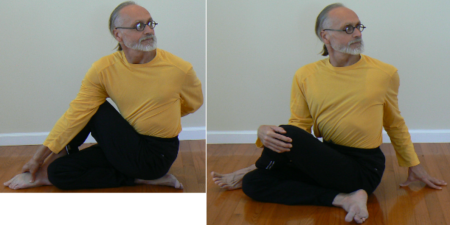
Primary Objective of Ásana It’s one of the most beneficial ásanas of the Ánanda Márga system. Matsyendrásana is excellent for the spine, correcting shoulder, and chest alignment. It offers a full massage to all organs and glands in the abdomen, especially the thymus gland. Repetitions (standard): 4 rounds. Length of hold (ideal): up to 30 seconds Breath: continuous breathing. no kumbhaka. Steps of practice Further… Read More »Matsyendrásana (Matsyendra’s Posture)

Shasháungásana (Hare Posture)

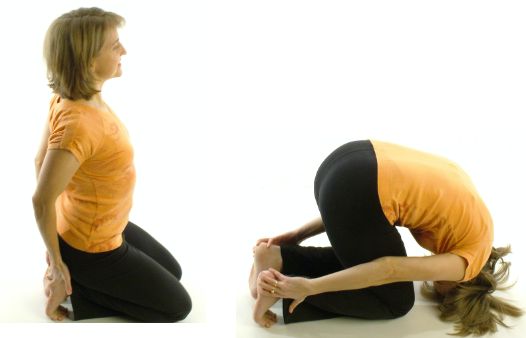
Primary Objective of the Ásana The hare posture relieves tension in the spine. Shasháungásana may improve memory and meditation. It affects the entire body, including all glands and plexi. Repetitions (standard): 8 Length of hold (ideal): 8 seconds Breath: exhale kumbhaka Steps of practice Further details & rationale 1.- The knees can be together or hip-width apart.– Keep the toes tucked under, facing forward.– Open… Read More »Shasháungásana (Hare Posture)

Twist variations

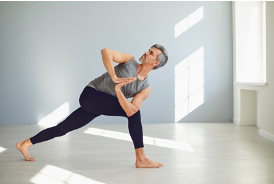
Jathara Parivartanasana – Supine Spinal Twist Sometimes referred to as Supta Matsyendrasana  This is a gentle and easy twist. It is a cooling pose down which is facilitated most frequently near the end of class.  Utthita Aswa Sanchalanasana Namaskar – Runners Lunge Twist 1.     Standing at one end of your mat, from Tadasana, step your left foot toward the back of your mat… Read More »Twist variations

Kiirtan Quiz:  What Do Ya Know?

One should be as humble as the grass and as tolerant as the trees, one should give respect to those whom no one respects, and always do kiirtan to the Lord.  – Anandamurti Definition & Origin The mind cannot remain vacant.  Whenever there is no important job to do, do not waste your time in idle thinking, because idle thinking means mental deterioration, mental degradation,… Read More »Kiirtan Quiz:  What Do Ya Know?

How to  Spice up Kiirtan with Kids

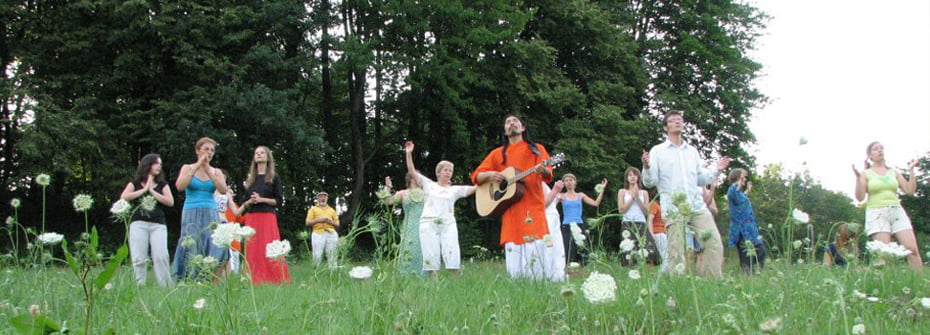
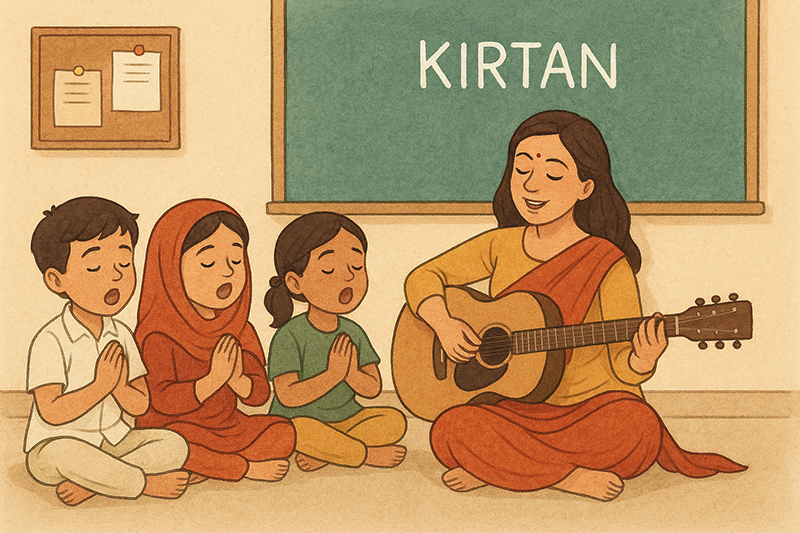
By MahaJyoti Glassman What is Kiirtan The practice of kiirtan is simple repetitive chanting for 2-5 minutes or more. This method of rhythmic singing is called kiirtan. Singing kiirtan supports kids in preparing their minds and bodies for meditation by engaging the sensory organs (eyes, ears, touch) and motor organs (arms and legs) towards the Goal. The power of mantra, a collection of sacred sounds,… Read More »How to  Spice up Kiirtan with Kids

Remember When Meditating

“Oh tranquil spiritual aspirant! Spiritual practice (sadhana) is your great bow. Set the arrow of your mind, sharpened with meditation, on this bow. Now, inclining your mind toward Him, pluck and twang the string of the bow and pierce your target – that indestructible Supreme Soul.” – Anandamurti (Subhasita Samgrapha II, 34) If you did sadhana for 2 hours and concentrated on your mantra for… Read More »Remember When Meditating

What Can Kids’ Meditation Look Like: Some Possibilities

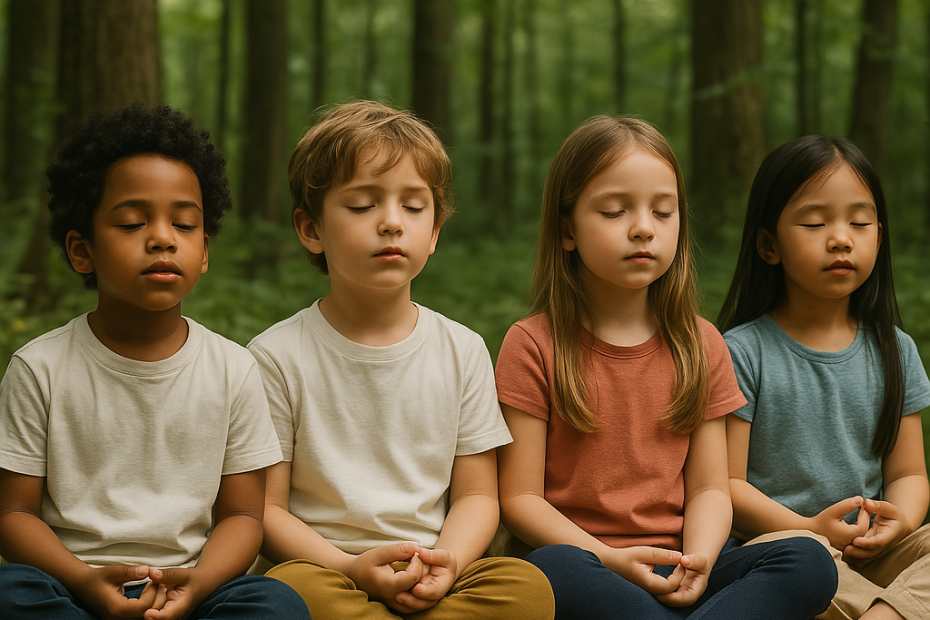
Meditation is a way of keeping our inner balance when the outer balance has been lost. Teaching these practices can be the greatest gift you may give a child. While it strengthens emotional intelligence and intuition, it also reaches into the higher layers of mind (subconscious, unconscious, etc.) of mind. ** For the 3-10 year old child to engage in meditation, the practice needs to… Read More »What Can Kids’ Meditation Look Like: Some Possibilities

Bhastrikásana (Bellows Posture)

Primary Objective of the Ásana This asana supports digestive health, especially elimination.  Repetitions (standard): 8 Length of hold (ideal): 8 seconds Breath: kumbhaka Steps of practice, further details & rationale Preparatory Steps Considerations Safety essentials  Variations Core Strengthening Variations Alternating Legs Variation Arms Overhead Variation  Benefits  Visualizations & Ideations Bhastrikásana is a very nice pose for even the beginning of an asana class because of… Read More »Bhastrikásana (Bellows Posture)

Siddhásana (Perfect Posture)

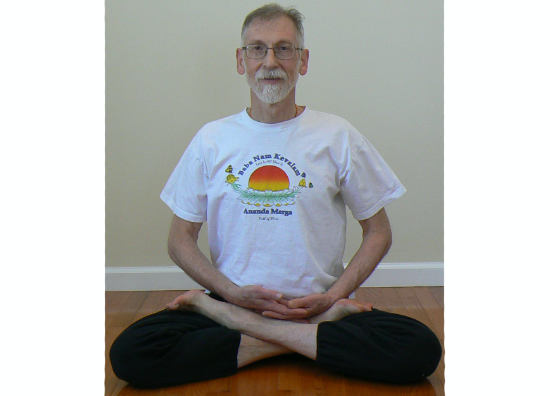
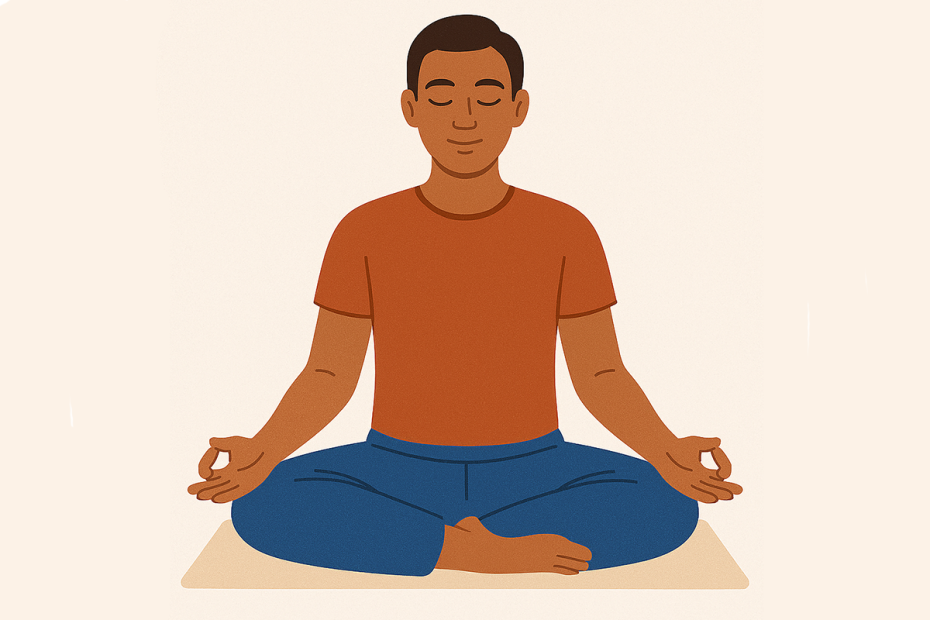
Primary Objective of the Ásana Prepares the body for meditation. Along with Padmásana/Lotus, Baddha Padmásana/Bound lotus, and Viirásana/Brave, it is one of the 4 Dhyanásanas that aid in concentration and meditation. This is one of the ideal poses for meditation for some people. Repetitions: none  Length of hold (ideal): sustain as long as possible.Breath: continuous  Steps of Practice 1.Begin by sitting on the floor with… Read More »Siddhásana (Perfect Posture)

Padmásana (Lotus Posture)

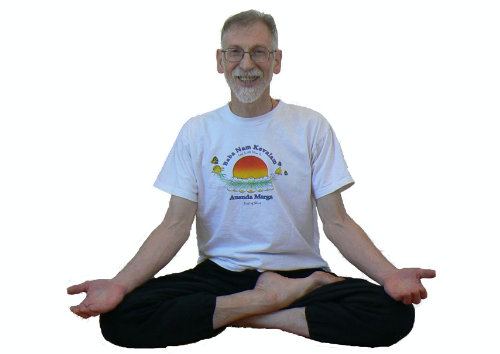
Primary Objective of the Ásana Prepares the body for meditation. Foundation for deep meditation. Anatomical objective: It loosens the external rotators of the hip joint. Padmásana is one of the 4 Dhyanásanas that aid in concentration and meditation along with Siddhásana/Siddha pose, Baddha Padmásana/Lotus pose, and Viirásana/Brave, This is one of the ideal poses for meditation for some people. NOTE: This ásana is an intermediate/advanced… Read More »Padmásana (Lotus Posture)

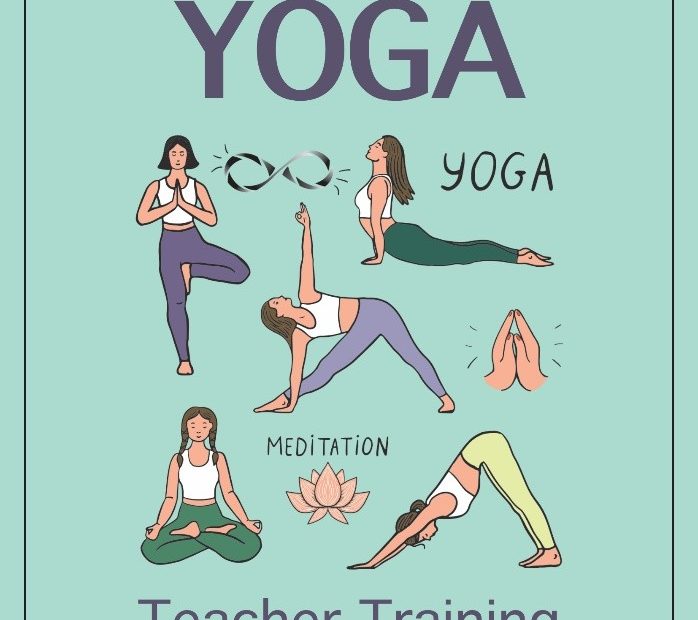
Infiniti Yoga Teacher Training Instruction Manual

Ananda Marga Yoga Society Singapore The Infiniti Yoga Teacher Training Instruction Manual, published by the Ananda Marga Yoga Society Singapore, presents a groundbreaking and accessible approach to holistic well-being. Centered around a unique system of walking in an infinity or 8 shape pattern, this practice integrates rhythmic movement with modified yoga postures, breathing, and mindfulness techniques. Rooted in both modern physiological understanding and yogic wisdom, Infiniti… Read More »Infiniti Yoga Teacher Training Instruction Manual

Feature Ásanas

This issue of AMAYE Voices features two of the ideal ásanas Anandamurti recommended for meditation.  However, sometimes these can be difficult and often excruciating for the yoga meditation practitioner.  Other meditation ásanas include the following: Bhojanásana or Sukhasana This posture is frequently referred to as the tailor’s or eating pose.  It is a comfortable position, having the buttocks rest on a cushion or blanket can… Read More »Feature Ásanas